Practical Planning for a Resilient, Low-Risk Tree and Landscape Program
Beginning a tree and landscape plan starts with a clear inventory. Assess each tree’s structure, vigor, and proximity to buildings and utilities, then align those findings with site goals like shade, views, and access. This early scoping reduces surprises later, clarifies whether Tree Removal is necessary, and helps phase less urgent work. Documenting this baseline offers a reference for comparing results after treatments and seasonal shifts.
Next, budgeting benefits from segmenting the work. Often, it’s wise to stage structural Tree Pruning first, since that stabilizes canopies and reduces storm failures. Then you can sequence Plant Health Care, like root-zone improvement, as follow-up. Calibrate expectations by identifying must-do safety items versus aesthetic refinements, and buffer a small contingency for storm-related corrections that may arise midyear.
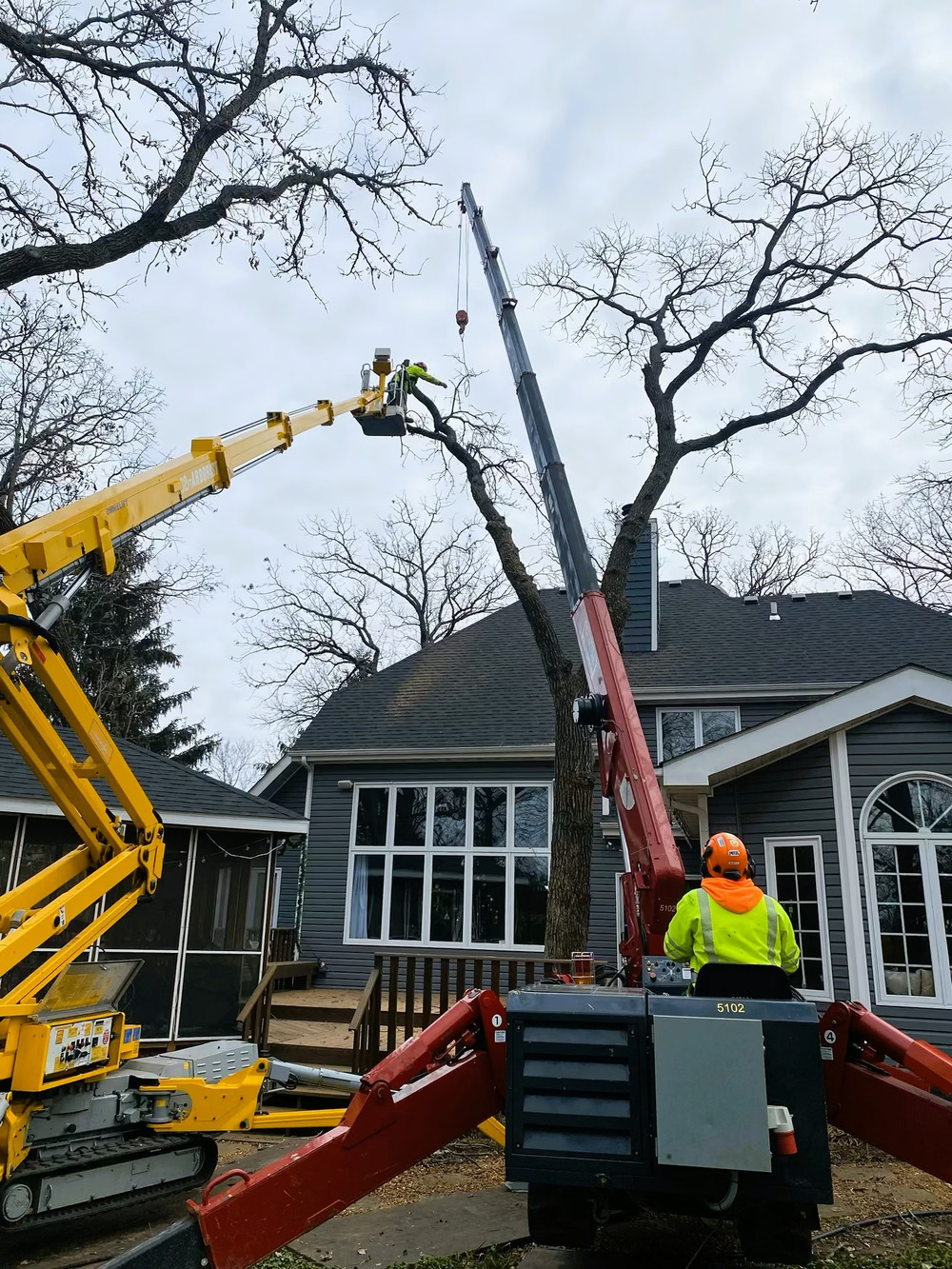
Meanwhile, risk management hinges on careful job setup. Verify access routes, underground utilities, and drop zones before saws start. In practice, even small adjustments to equipment placement can minimize turf damage and protect hardscapes. Beyond that, confirm communication channels with occupants so schedules, noise windows, and traffic control are clear. A brief site huddle helps align everyone on roles and hazards.
Beyond trees, irrigation strategy influences plant success. Inspect coverage patterns and pressure, validate controller settings, and refine seasonal runtimes. Then review soil texture and infiltration to avoid runoff on slopes or compaction in high-traffic areas. When Irrigation Services sync with pruning and mulching, root systems establish faster, and inputs like water and nutrients are used more efficiently across beds and lawns.
Similarly, plant selection should match microclimates. However, don’t overlook wind exposure, reflected heat near masonry, or low pockets where frost lingers. Phase Landscape Installation after structural pruning and stump work, so new plants aren’t disrupted by equipment. Verify mature sizes against sightlines and utilities, and plan spacing that supports airflow, disease reduction, and straightforward maintenance access year after year.
Seasonal timing can make or break outcomes. Then, schedule corrective pruning during dormancy for clearer visibility and reduced sap flow. Validate local freeze-thaw patterns before bed prep, and buffer spring installations against late cold snaps. For summer, maintain watering plans and mulch depth to temper soil temperatures. Finally, fall is ideal for root growth, so transplanting and broadleaf feedings may see improved establishment.
Quality control relies on measurable checkpoints. Inspect cut locations for proper collar preservation, document stump depths for backfill consistency, and verify chip or debris removal areas remain neat. Calibrate tool cleanliness to limit pathogen spread between sites. In practice, short photo logs and punch-lists keep crews and managers aligned, while providing property owners with transparent records of work performed.
Maintenance planning ties the whole system together. Sequence Landscape Maintenance to include pruning touch-ups, bed edging, mulch refreshes, and lawn transitions without overlap or rework. Maintain sightlines around signage and drives, monitor pest thresholds, and refine mowing patterns to avoid rutting. Then, reassess the canopy annually to adjust cycle lengths, addressing growth surges or storm scars before they escalate.
Winter operations deserve forethought. Validate Snow Plowing routes to protect curbs, shrubs, and newly installed trees, and designate snow storage zones that won’t smother plantings. Inspect stake markers before the first event, and document sensitive areas on a simple map. Meanwhile, deicer choices should balance traction needs with plant safety, with post-season flushing and soil testing scheduled where salts accumulate.
Vendor fit affects long-term value. Assess credentials, safety culture, equipment range, and response protocols for storms. Then confirm how they handle communication, from estimates to change orders and follow-ups. Finally, request sample maintenance calendars that show how pruning, Plant Health Care, irrigation checks, and seasonal services mesh across the year. When these elements align, your site benefits from healthier trees, fewer emergencies, and predictable costs.